
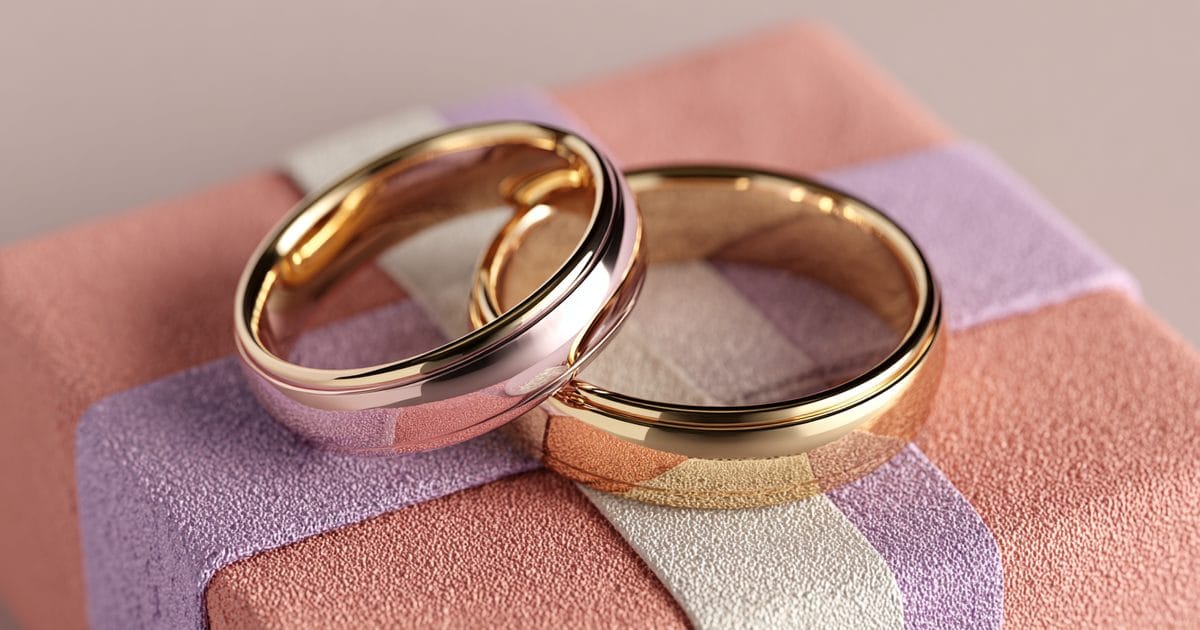
Wedding season is warming up, and with it the perennial questions: how much, cash or object, on-registry or off? Wedding gifting has more folklore than any other category — here’s the practical version.
How much to give
The honest answer: enough that you’re comfortable, calibrated by closeness — not by the rumoured cost of your plate. In Australia the working ranges are roughly $50–100 for colleagues and distant relatives, $100–150 for friends, $150–300+ for close friends and immediate family, per household. A couple attending together gives once, not twice.
The “cover your plate” rule is folklore — persistent, unverifiable and quietly manipulative. Give from your relationship, not their catering invoice. If money is tight, a modest gift plus genuine effort (early RSVP, help on the day) is worth more than a stretched budget — the tight-budget principles apply at weddings too.
Registry, cash, or freelance?
Registries exist to prevent duplicates — they are, structurally, a wishlist with claims: the couple lists wants, guests claim them, nobody arrives with the fourth toaster (the wedding literally being where that cliché comes from). If a registry exists, using it is not impersonal; it’s the point.
Cash and wishing wells are now fully mainstream, especially for couples who already share a household. If the invitation asks for it, comply gracefully — in a card, on the day. The etiquette burden runs the other way: couples should ask nicely (a light rhyme beats an invoice), and guests should stop treating requested cash as gauche.
Going off-registry is reserved for people who know the couple deeply. If your off-list idea is genuinely them, wonderful. If it’s a guess, the registry was the safer act of love.
The group gift: weddings’ best move
Weddings are where pooled gifts shine brightest. The registry’s big-ticket items — the good luggage, the espresso machine, the honeymoon experiences — exist precisely for a friend group or a set of cousins to fund together. All the standard pooling rules apply: one organiser, fixed shares stated up front, collect before buying, everyone on the card.
For families, a group gift also neatly solves the “we’re five households of wildly different means” problem: shares can quietly differ; the card doesn’t itemise.
Edge cases, quickly
- Not attending? A gift is still customary for close relationships, at a reduced scale. For distant ones, a warm card is fine.
- Destination wedding? Your attendance is a significant gift; scale the object accordingly. Good couples know this.
- Second marriages / established households: follow the couple’s lead — these are often the “no gifts, honestly” weddings, and believing people who say that applies here too.
- Engagement + kitchen tea + wedding? One major gift (the wedding), tokens elsewhere. The occasion stack is not a tax schedule.
One registry, visible claims, pooled big-ticket items — weddings figured out coordinated gifting decades ago. The only mystery is why families haven’t copied it for Christmas.
Quick answers
How much money do you put in a wedding card in Australia? The same ranges as objects: $50–100 acquaintance tier, $100–150 friends, $150–300+ close family, per household. Adjust for your means without guilt — the tight-budget rules apply to weddings too, and couples remember presence longer than amounts.
Is it rude to go off-registry? Only if you’re guessing. The registry is the couple’s wishlist with claims — going rogue with certainty (you know them deeply) is lovely; going rogue with a guess produces the boxed photo frame of legend.
Do you bring the gift to the wedding? Cash cards yes; physical gifts increasingly no — ship to the couple’s home before or after. Nobody wants to manage a gift table at midnight, least of all the couple.
How long do you have to send a wedding gift? Within about three months of the wedding, folklore about “a year” notwithstanding. Sooner is better; the group gift organised before the day is best of all.
Originally published on the GiftGambit blog.